Tibet-in-exile
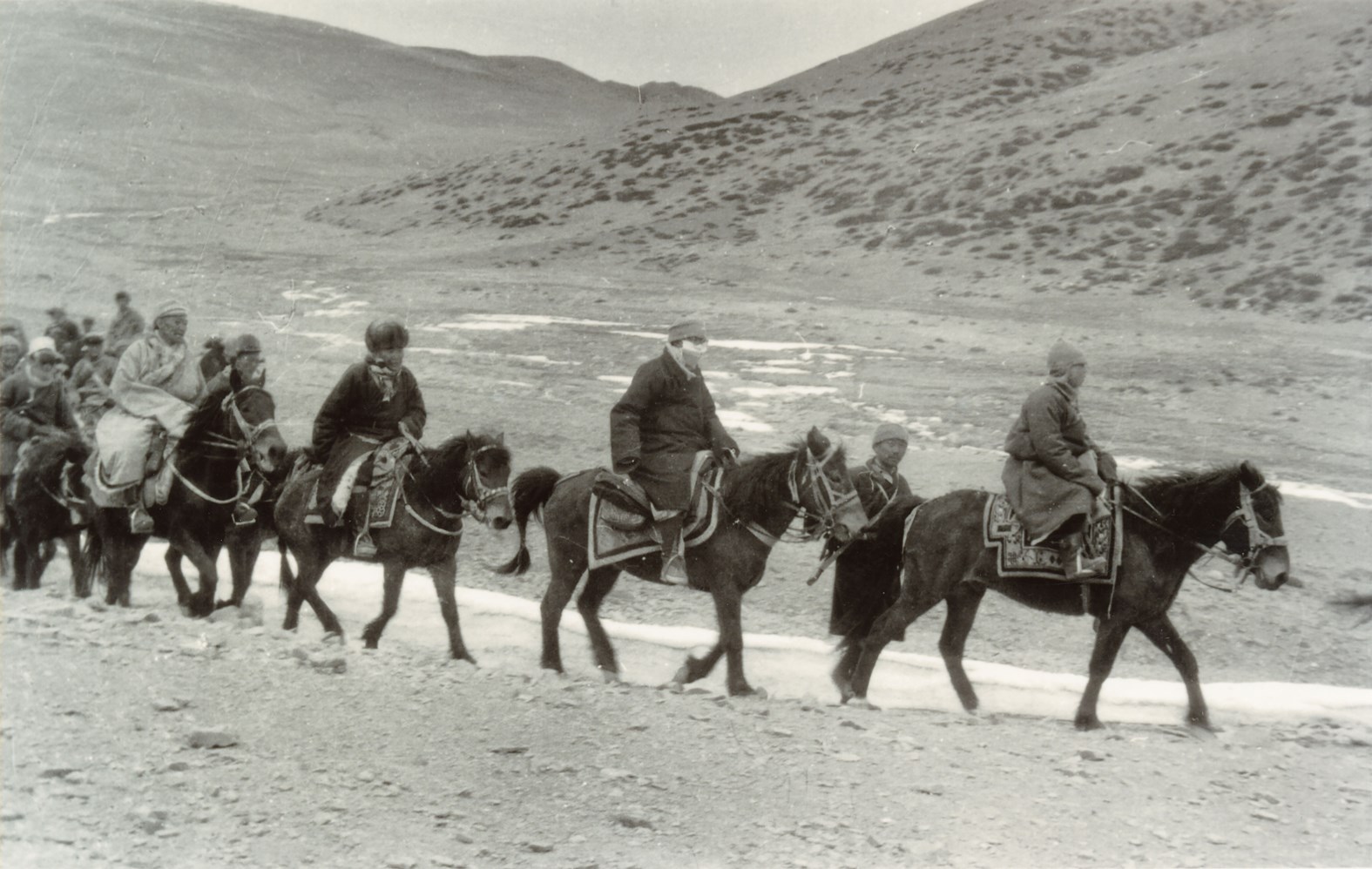
The 70th anniversary of the ‘Agreement on Measures for the Peaceful Liberation of Tibet’ – a 17 - point declaration - fell on 23 May 2021. The Tibet Museum based in Dharamshala, the repository of alternative histories of Tibet contest the narrative of a peaceful liberation of Tibet, initiation of modernity, and respect for Tibetan’s basic rights to live as they choose. By tracing their history through a series of photographs and personal stories, this exhibit presents Tibet’s complicated history in their own voice.
Contested Realities
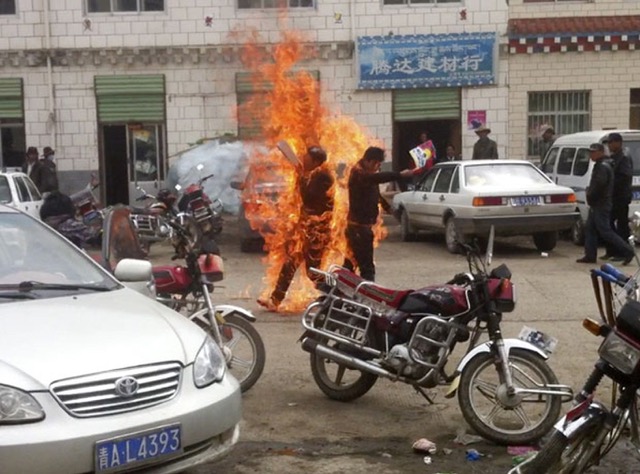
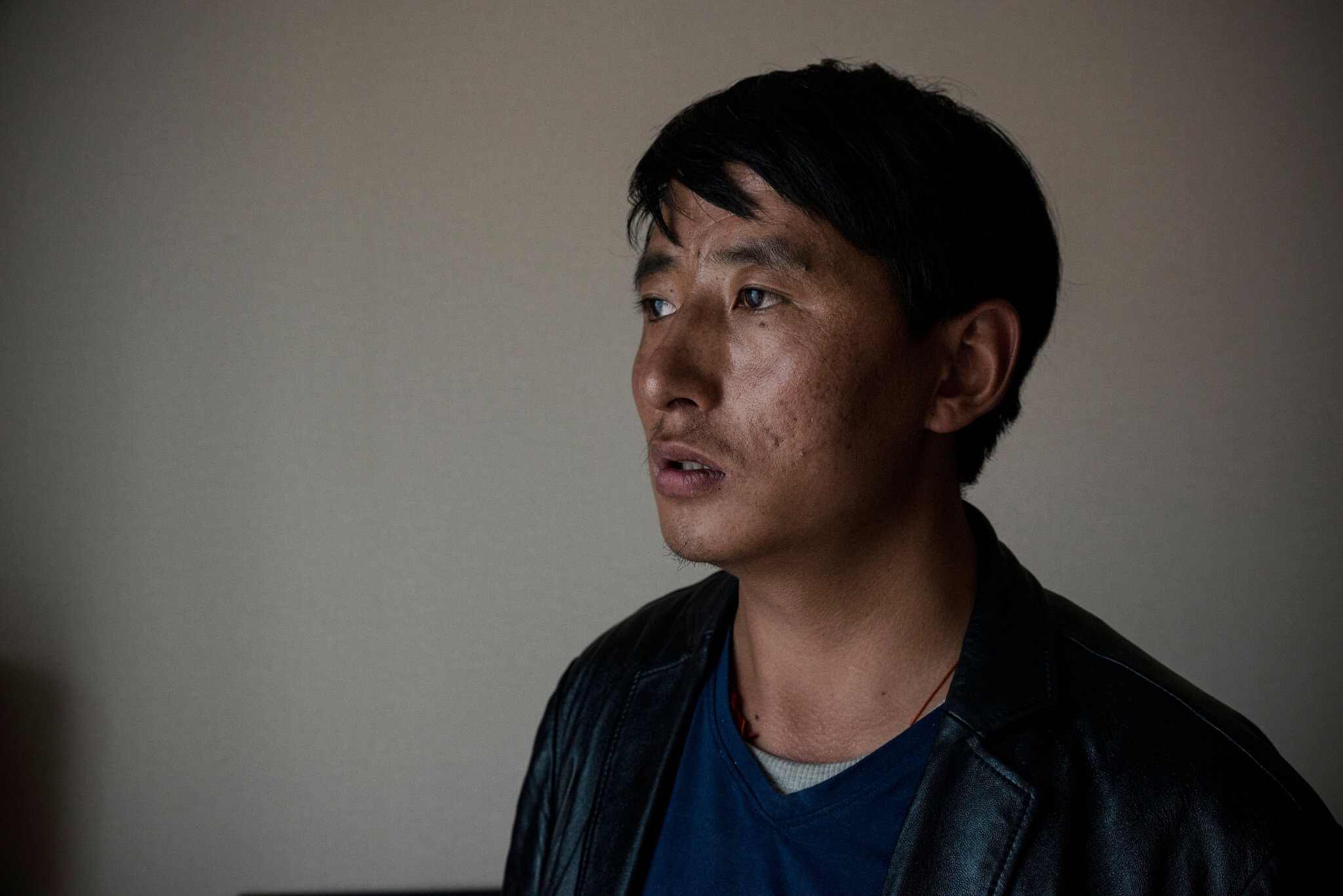
The Tibet Museum has sought to create an inclusive narrative of historical incidents and peoples’ histories that ‘decolonise’ Tibetan history. The museum was established as a repository for the history, cultural heritage and documentation of the lives of Tibetans as they live in exile from the lands of their ancestors. In 2021, The Communist Party of China celebrated the 70th anniversary of the purported ‘Liberation of Tibet’ from what they term an ‘old feudal society’. China’s official narrative is of a peaceful liberation and a peaceful Tibet, where economic development, freedom from ‘feudal bonds’ and the growth of secular cultural institutions ushers in a period of modernity. In the seven decades since 1951, the Central Tibetan Administration (CTA) claim that the rise in the number of Tibetans protesting and committing self-immolation, the dwindling number of Tibetan religious institutions and cultural centres, the civilian causalities resulting from mining and environmental degradation highlight hidden histories that contest this narrative. It has estimated that 1.2 million Tibetans have died of starvation, violence, or other indirect causes due to what they term ‘the invasion of Tibet’. Furthermore, they contend that religious repression and cultural genocide continues within Tibet; monitoring and surveillance of citizens’ activities is at unprecedented levels; language rights are denied; and enforced disappearances and arrests are commonplace.
Exhibits