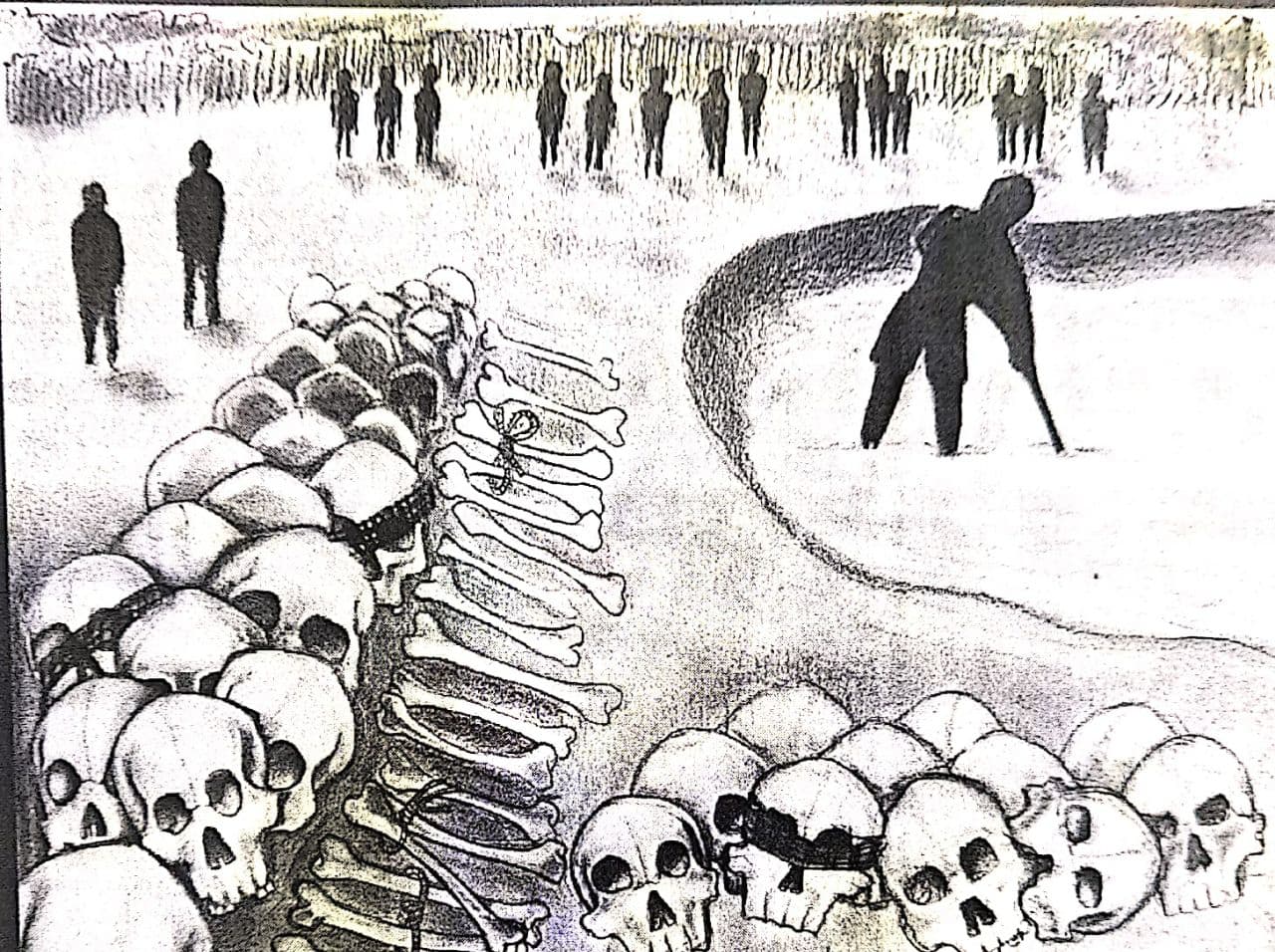
Sketched Pain - Peace Institute Cambodia


Some of the prisoners who were brought to the centre were brought for dishonesty to the ‘Angkar’ or guards; Some were brought because they broke things, as simple as utensils; Some were accused of betraying the Angkar by stealing corn, potatoes, frogs and other food; Some were accused of speaking badly of the Angkar. Regardless of the reason for imprisonment, the result was always the same: interrogation and death for most people.
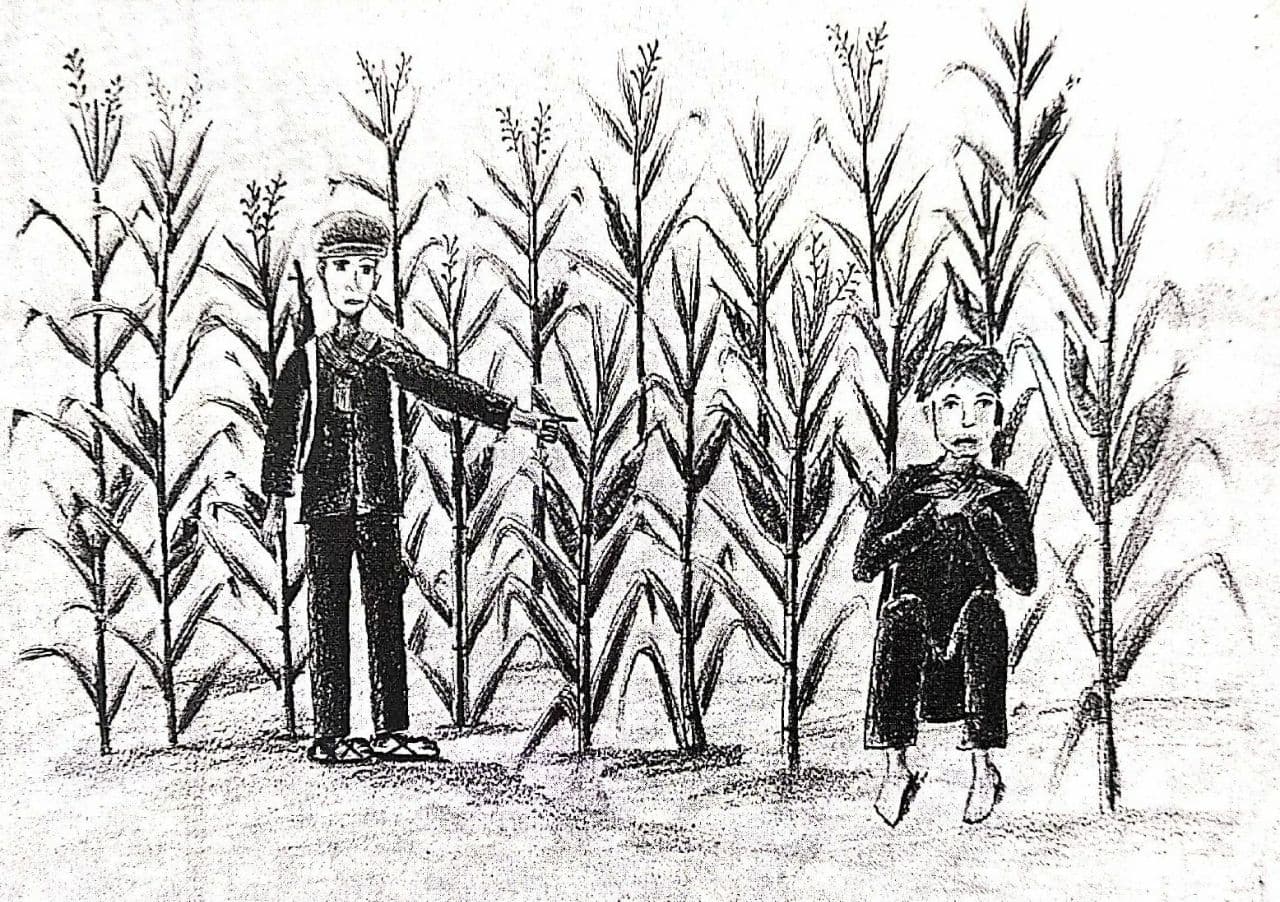
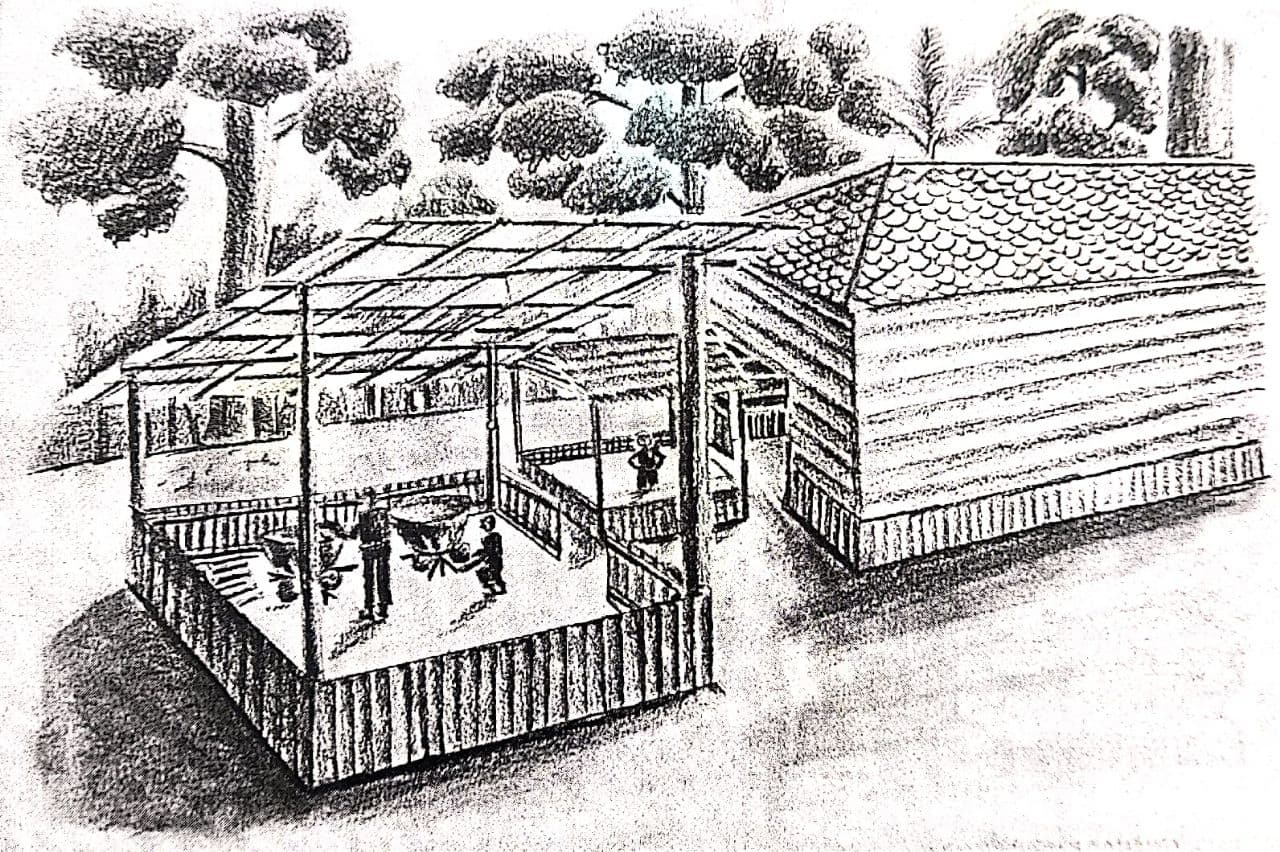
Some prisoners were put to work in the rice fields. They were out during the day and returned to the centre at night. There were other tasks as well such as herding, collection of firewood, palm-water collection, composting, harvesting, tilling the soil. They were also forced to collect cadavers, dig graves, and bury the dead. Their food rations remained the same as for those serious offenders who were shackled in their huts all day and night: one ladle of rice porridge. Sometimes the cook (who was also a prisoner) would leave food out for prisoners to find, but this did not happen too often.


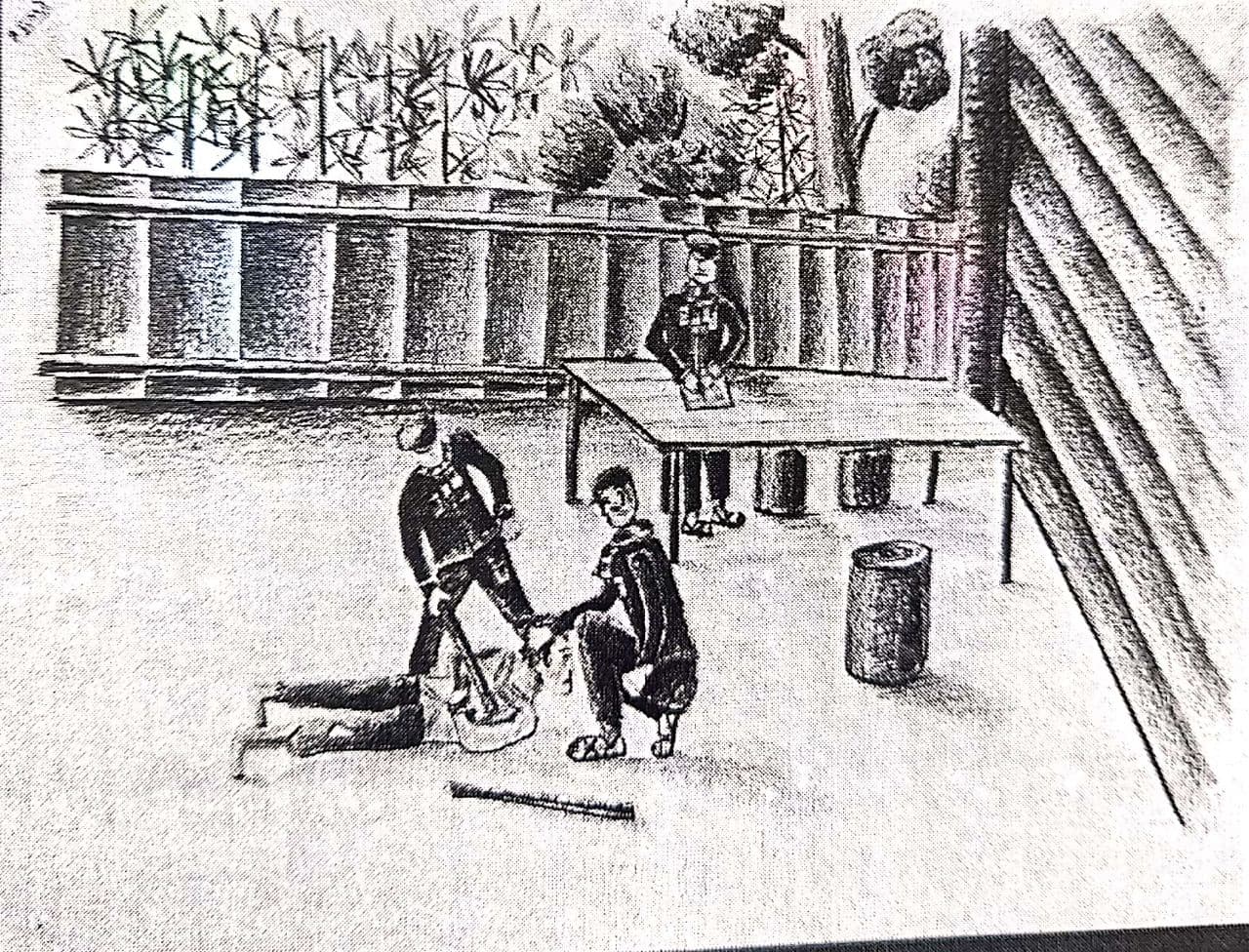
There was almost always an interrogation at the centre. The routine was always the same: the guards ask questions, regardless of the answer, the prisoners are tortured. There were many methods of torture used: they were cut with knives in their abdomen, arms, quadriceps; their noses, ears, nails and teeth were removed; they were severely beaten; hung upside down from a tree with their head submerged in water; insects were put on them; choked or strangled with plastic bags over their heads; sprinkled with acid; and if it were a woman, raped violently. The cries of the prisoners would be muffled by loud-speakers tied to a tree. Once the prisoner died, they would move to the next of kin and the process would repeat.


The process of execution was crude. They were brought to the edge of an open grave blind-folded, and asked to kneel. Their throat was slit; or their abdomen was sliced through with a sword; or they were beaten to death with a steel pole. Sometimes they were shot. They were especially cruel with children: They would toss the children up in the air to fall onto bayonets; they would take babies by their legs and bash them against the ‘killing tree’; Sometimes they were buried alive with their parents. The prisoners would be called out by their names; the last thing they heard was always “ Before you go back home you must pay respects to the Angkar and receive new instructions”.


People who lived in the surrounding villages claim that they never knew that there were killing pits in the area. According to the unearthed skeletal remains and documentation left behind after the war ended, at least 10000 people were killed there. There could be more as the site has not been fully excavated.


How does this exhibit make you feel?


No comments available yet! Post your comment below.